Blog ·
Deciduous vs Evergreen Plants: Choosing the Right Trees for Your Landscape
As you plan your garden design and landscape transformations, one of the most important decisions you'll make involves choosing between deciduous and evergreen plants. At ExodyBeam, we work with both types regularly, and understanding the differences helps us create outdoor spaces that thrive year-round.
Understanding Deciduous Plants
Deciduous plants shed their leaves seasonally, typically in autumn. This natural cycle offers several advantages for your landscape. During winter, deciduous trees and shrubs allow more sunlight to reach your home and lower garden areas, which can help reduce heating costs and brighten interior spaces. These plants often feature vibrant fall colors before losing their leaves, creating dramatic seasonal interest. Common deciduous varieties include maples, oaks, birches, and dogwoods—all excellent choices for establishing focal points in your garden design.
The Value of Evergreens
Evergreen plants retain their foliage year-round, providing consistent color and structure to your outdoor living spaces. Whether needled, like pines and spruces, or broadleafed, like hollies and boxwoods, evergreens maintain visual appeal during winter months when much of your landscape appears dormant. They serve as excellent privacy screens and windbreaks, and their consistent presence provides stability to garden compositions.
Maintenance Considerations
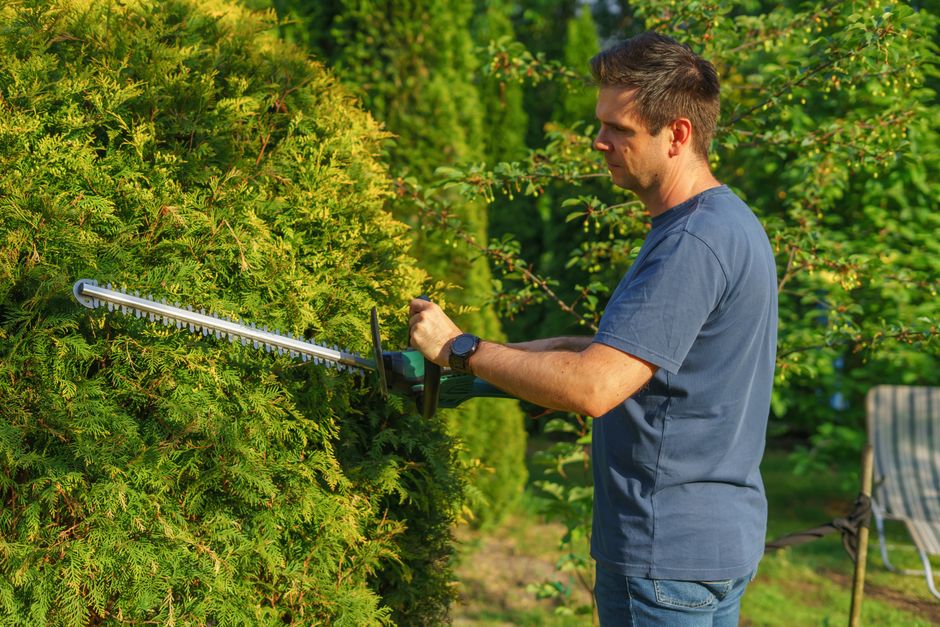
For your lawn care and overall property health, both types require different maintenance approaches. Deciduous trees shed leaves that can accumulate on your lawn, sometimes requiring extra mowing and cleanup during fall. However, the decomposing leaves naturally enrich your soil. Evergreens require careful pruning to maintain shape and prevent disease, which is where our tree service and maintenance expertise proves valuable.
Creating Balanced Landscapes
The ideal landscape typically combines both types. Using deciduous trees as specimen plants—those focal point trees you see first when approaching your home—creates visual interest through seasonal changes. Layering evergreen shrubs and smaller plants beneath and around them provides year-round color while defining garden beds.
When designing your landscape, consider your property's sun exposure, soil conditions, and water requirements. Deciduous plants often work well on south and west-facing exposures where summer shade proves beneficial. Evergreens excel in northern exposures and as foundation plantings where winter appearance matters.
Our garden design and installation services take these factors into account, creating balanced plantings that look beautiful throughout every season. Whether you prefer the dramatic seasonal changes of deciduous varieties or the consistent presence of evergreens, we help you select and install the right plants for your specific outdoor space.